Cameroon's Biggest Unveiling the Country's Largest Fuel Factory
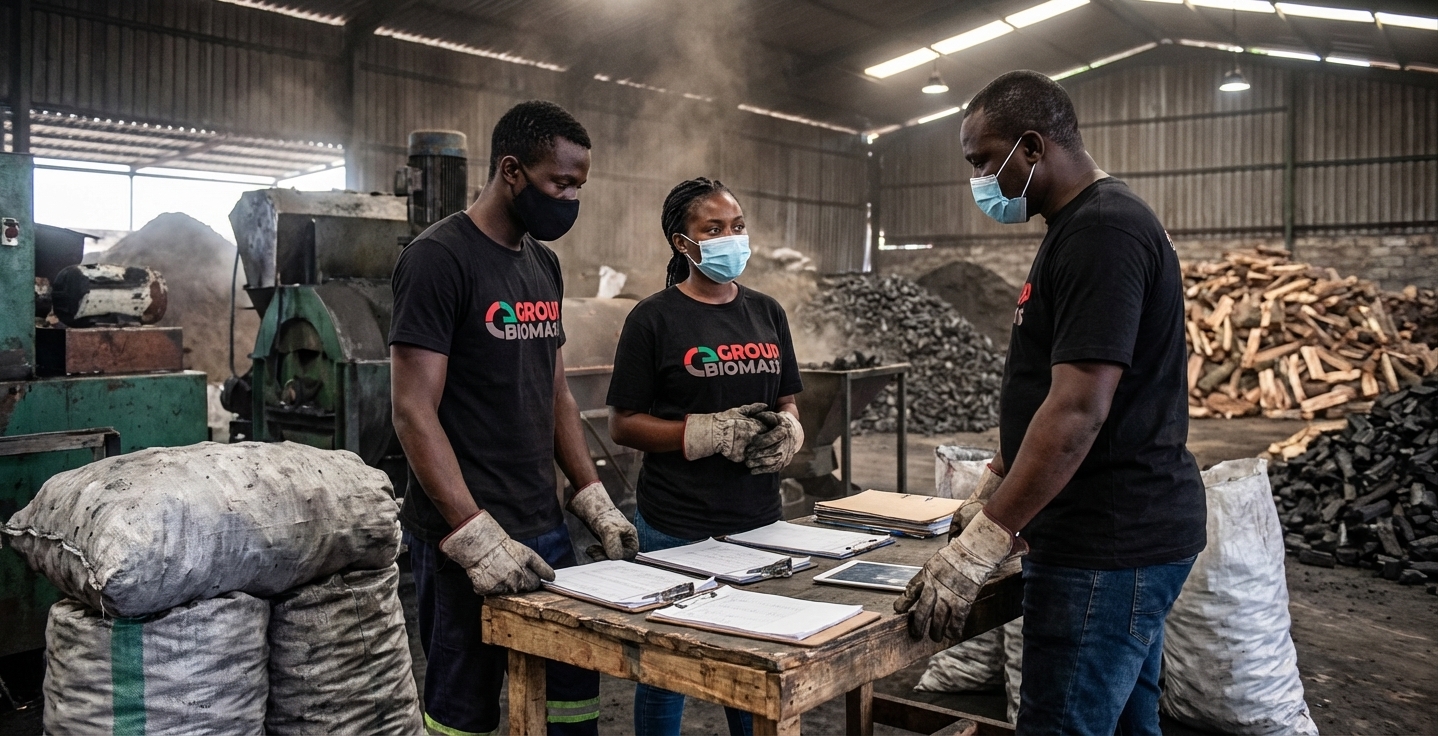
Deep within Cameroon , a substantial site stands as a testament to the growing demand for biomass. This industrial complex, reportedly the region’s premier fuel plant , is raising attention for African hardwood lump charcoal both its output and the possible environmental impact . While providing livelihoods for local communities, the operation’s processes are sparking questions about responsible forest practices and the future health of the nation's woodlands .
Premium Lump Charcoal Export Boom: Cameroon’s Emerging Player
Cameroon is witnessing a significant surge in hardwood lump carbon sales, positioning itself as a major source in the global sector. Fueled by expanding demand from European US and Pacific regions, the nation’s output of this eco-friendly fuel is rapidly expanding, offering promising opportunities for Cameroonian populations and supporting the regional economy. The emphasis on sustainably sourced hardwood lump charcoal is showing to be a essential element in attracting global investors.
Inside Cameroon’s Hardwood Lump Charcoal Factory: Production & Sustainability
Stepping within a common Cameroon forest lump charcoal factory shows a surprisingly straightforward process of production. Untreated wood, often collected from sustainable areas, are meticulously logged and carried to a kiln. Within this area, the timber is slowly heated with restricted oxygen, a technique that changes it into lump charcoal. While the traditional methods employed can be demanding, more new factories are adopting refined techniques and pursuing ways to boost both productivity and nature responsibility. This includes dedicating in clean resources and implementing thorough waste management .
Cameroon's Charcoal Industry : A Key Contributor in International Shipments
Despite mounting environmental anxieties, Cameroon’s charcoal sector remains a surprising yet vital contributor in the global sales arena . The production of charcoal from wood is a essential source of income for many of Cameroonian households , particularly in underserved zones. This activity generates a substantial volume of lump charcoal heading for international consumers, often fueling heating needs in other nations , though this reliance creates challenges relating to forest loss and responsible forest management .
Le Face à Charbon En Bloc de Bois vs. Des Briquettes : Une Regard Camerounaise
Au le pays, la choix face à le combustible de bois lump et des briquettes soulève une matière. Traditionnellement, , le charbon de bois a toujours été préféré pour son goût distinctif et son aptitude de créer une température forte, parfaite afin de les rôtisseries locales . Toutefois, les briquettes , davantage disponibles à trouver et moins abordables, attirent en popularité , surtout auprès les régions citadines .
Green Charcoal Making : The Future of Cameroon Hardwood Business
The conventional method of charcoal manufacture in Cameroon presents a major threat to its valuable hardwood forests . However, new sustainable techniques offer a hopeful path forward. These feature technologies like wood waste conversion and improved earth systems, which minimize deforestation, cut emissions, and create livelihood opportunities for local communities . Embracing these eco-friendly methods is crucial to protecting Cameroon's natural heritage and guaranteeing the long-term viability of its hardwood industry while addressing climate change .